
Cannabis Breeding Basics for Beginners

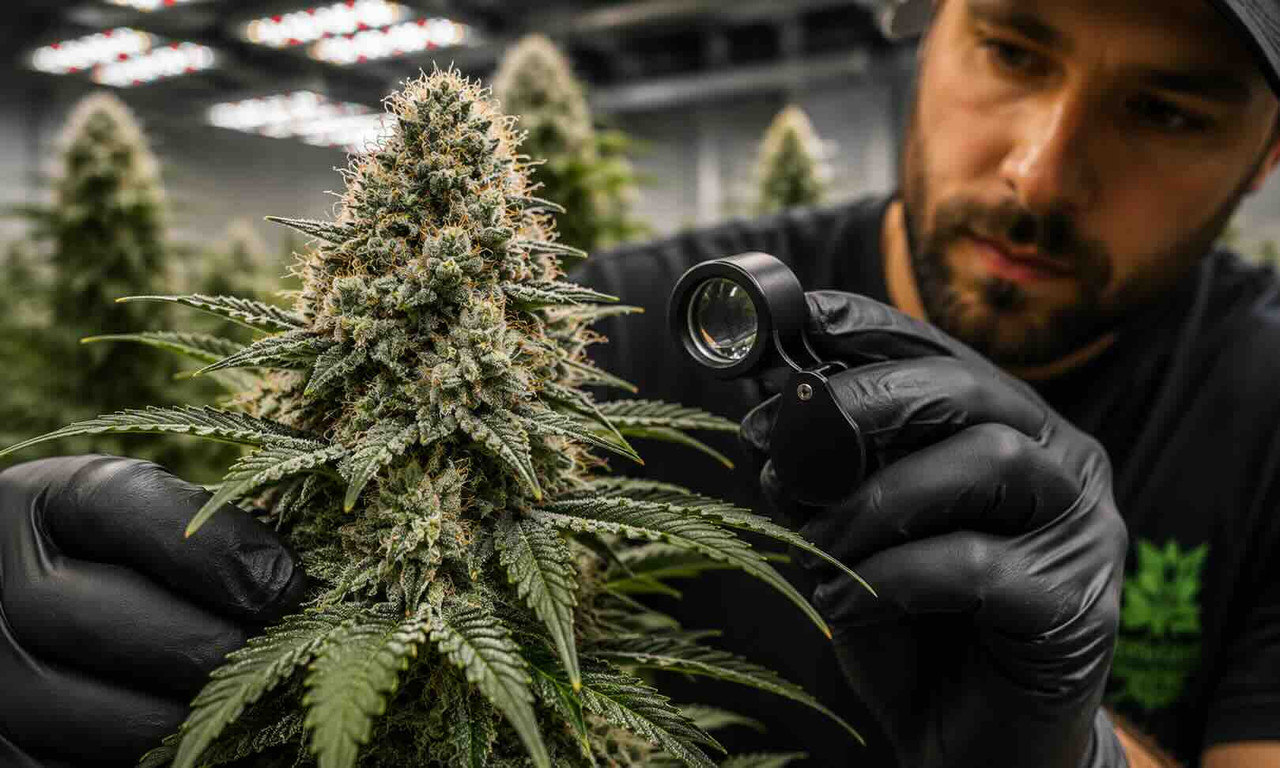
Cannabis breeding is one of the most fascinating aspects of cultivation. Every modern variety available today is the result of years of selection, observation, and genetic refinement. As a breeder, I can say that breeding is far more than simply crossing two plants together. The real challenge lies in identifying desirable traits and stabilizing them across future generations.
For beginners, cannabis breeding can appear complicated, filled with technical terminology and advanced genetic concepts. Fortunately, the basic principles are easier to understand than many people realize. Successful breeding begins with observation, patience, and a clear understanding of what characteristics you want to preserve or improve.
The best breeders focus on consistency rather than novelty alone. Creating reliable genetics requires long-term thinking and careful selection.
Understanding Cannabis Genetics
Every cannabis plant inherits traits from its parents. Characteristics such as growth structure, flowering time, aroma, resin production, yield potential, and environmental adaptability are all influenced by genetics.
As a breeder, I spend a significant amount of time evaluating plants throughout their lifecycle because valuable traits often become visible at different stages of development. Early vigor, flowering behavior, and final flower quality all provide important information.
Understanding inheritance patterns helps breeders make more informed decisions when selecting parent plants.
Selecting Parent Plants
The foundation of every breeding project is parent selection. Strong parent plants increase the likelihood of producing offspring with desirable characteristics.
Breeders typically evaluate vigor, health, structure, aroma, trichome production, flowering performance, and environmental resilience before selecting breeding candidates. Plants that consistently demonstrate exceptional qualities often become valuable breeding stock.
Growers interested in productive cannabis genetics frequently explore options through Ministry of Cannabis. Regardless of the genetics chosen, careful selection remains the heart of successful breeding.
Strong breeding projects begin with strong parent plants.
The Importance of Phenotype Hunting
Even seeds from the same cross can produce plants that display different characteristics. This variation is known as phenotypic expression.
Phenotype hunting is the process of growing multiple plants from the same genetic line and identifying individuals that best represent the breeder’s objectives. Some plants may display stronger aroma, while others show superior structure or resin production.
As a breeder, I consider phenotype selection one of the most important skills in cannabis breeding. Exceptional genetics are often discovered through careful observation and comparison.
Patience during this stage frequently determines the quality of future generations.
Stabilizing Desired Traits
Creating a new cross is relatively easy. Stabilizing that cross is much more challenging. Breeders often work through multiple generations to increase consistency and reduce unwanted variation.
The objective is producing offspring that reliably express the characteristics the breeder values most. This process may involve repeated selection, testing, and evaluation across multiple cultivation cycles.
As a breeder, I view stability as one of the most important indicators of quality. Reliable genetics help growers achieve predictable results from seed to harvest.
Consistency separates professional breeding from simple experimentation.
Common Mistakes Beginners Make
The most common mistake is breeding plants before fully understanding their characteristics. Many growers rush into making crosses without sufficient evaluation.
Another frequent error is selecting parents based solely on one trait, such as yield or potency, while ignoring overall plant quality.
Beginners also sometimes underestimate the amount of time required to develop stable genetics. Successful breeding projects often require multiple generations and extensive observation.
Patience, record keeping, and careful selection are essential for long-term success.
Final Thoughts
Cannabis breeding is both a science and an art. Understanding genetics, selecting strong parents, evaluating phenotypes, and stabilizing desirable traits are all fundamental skills for aspiring breeders.
Scientific information and health-related research resources can be explored through https://www.who.int, while practical breeding experience remains one of the best teachers available.
As a breeder, I have found that the most successful projects are built on patience and consistency. Focus on understanding the plants, document your observations carefully, and allow the breeding process to develop naturally over time.