
What Is Packaging Machinery Used For?

A Packaging Machine plays a major role in modern industries by helping companies pack products quickly, safely, and efficiently. A Packaging Machine is designed to automate or assist the process of enclosing products in protective materials such as plastic, paper, or metal containers.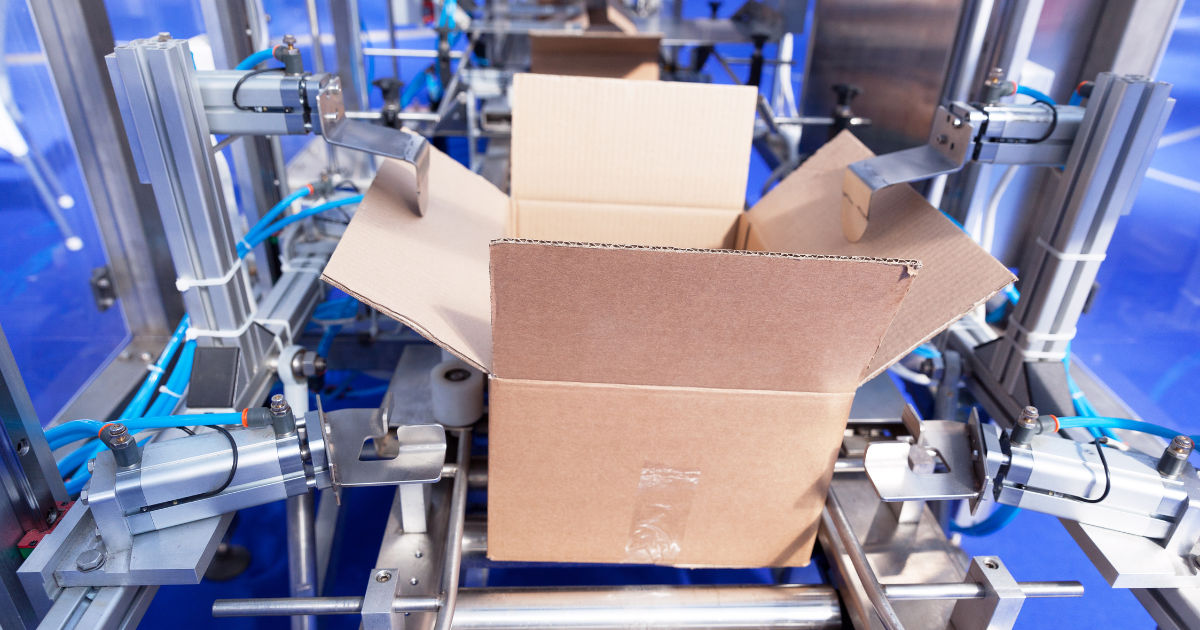
A Packaging Machine is widely used in food, pharmaceuticals, cosmetics, and manufacturing industries. In simple terms, a Packaging Machine helps turn raw or finished goods into ready-to-sell packaged products that are safe for transport and storage.
Today, almost every product you see in a store has been handled by a Packaging Machine at some stage. Without a Packaging Machine, industries would struggle to meet demand, maintain hygiene, and ensure product consistency.This article explains what packaging machinery is used for, how it works, and why it is so important in today’s world.
Packaging Machinery
What Is Packaging Machinery?
Packaging machinery refers to equipment that performs packaging tasks such as filling, sealing, wrapping, labeling, and boxing products. A Packaging Machine can be manual, semi-automatic, or fully automatic depending on the production needs.
A Packaging Machine is designed to reduce human effort while increasing speed and accuracy. In large factories, a Packaging Machine can operate continuously for long hours, making production much more efficient.
Basic Purpose of a Packaging Machine
The main purpose of a Packaging Machine is to protect products from damage, contamination, and spoilage. A Packaging Machine also improves product appearance, making it more attractive to customers.
Another important purpose of a Packaging Machine is to standardize packaging sizes so that every product looks identical and professional.
How Packaging Machinery Works
Step-by-Step Working Process
A Packaging Machine generally follows a structured process:
First, the product is fed into the system. A Packaging Machine then measures or counts the product depending on the requirement. Next, the Packaging Machine fills the product into containers or packaging material. After filling, the Packaging Machine seals the package tightly to ensure safety. Finally, labeling or coding is done by the Packaging Machine for identification.
Each stage in a Packaging Machine is carefully designed to reduce errors and improve speed.
Automation in Packaging Machines
Modern industries rely heavily on automated systems. A Packaging Machine today often includes sensors, digital controls, and robotics. These features allow a Packaging Machine to operate with minimal human supervision.
Automation in a Packaging Machine helps reduce labor costs and increases production efficiency significantly.
Types of Packaging Machines
Filling Machines
A filling Packaging Machine is used to fill liquids, powders, or granules into containers. For example, milk, juice, flour, and spices are often packed using a filling Packaging Machine.
Sealing Machines
A sealing Packaging Machine is responsible for closing packages securely. A Packaging Machine of this type ensures that no air, moisture, or contaminants enter the product.
Wrapping Machines
A wrapping Packaging Machine covers products in protective film or paper. This type of Packaging Machine is commonly used for food items and consumer goods.
Labeling Machines
A labeling Packaging Machine attaches product labels with important information such as brand name, expiry date, and instructions.
Cartoning Machines
A cartoning Packaging Machine places products into boxes or cartons for shipping and retail display.
Uses of Packaging Machinery in Different Industries
Food Industry
The food industry is one of the largest users of a Packaging Machine. A Packaging Machine helps preserve freshness, maintain hygiene, and extend shelf life of food products.
Without a Packaging Machine, food contamination risks would be much higher. A Packaging Machine ensures that snacks, beverages, and frozen foods remain safe for consumers.
Pharmaceutical Industry
In the pharmaceutical sector, a Packaging Machine is essential for safety and accuracy. A Packaging Machine ensures that medicines are properly sealed and labeled with correct dosage information.
Even a small error in packaging can be dangerous, so a Packaging Machine plays a critical role in maintaining quality standards.
Cosmetics Industry
A Packaging Machine is widely used in cosmetics production for creams, lotions, perfumes, and makeup products. A Packaging Machine helps maintain product hygiene and attractive presentation.
Manufacturing Industry
In manufacturing, a Packaging Machine is used to pack industrial parts, tools, and equipment. A Packaging Machine ensures that products are protected during transportation.
Benefits of Using Packaging Machinery
Increased Efficiency
A Packaging Machine greatly increases production speed. A task that might take hours manually can be completed in minutes using a Packaging Machine.
Cost Reduction
A Packaging Machine reduces labor costs and material waste. Over time, a Packaging Machine helps companies save significant money.
Improved Hygiene
A Packaging Machine minimizes human contact with products, ensuring better hygiene. This is especially important in food and medicine industries.
Consistency and Accuracy
A Packaging Machine ensures every product is packed in the same way. This consistency improves brand reputation and customer trust.
Better Product Safety
A Packaging Machine protects products from dust, moisture, and damage. This increases shelf life and reduces losses.
Components of a Packaging Machine
Conveyor System
A Packaging Machine often includes a conveyor belt that moves products from one stage to another.
Control Panel
The control panel of a Packaging Machine allows operators to set speed, temperature, and packaging size.
Sensors
Sensors in a Packaging Machine detect product position, weight, and packaging accuracy.
Sealing Unit
The sealing unit in a Packaging Machine ensures airtight packaging.
Filling System
A Packaging Machine uses a filling system to measure and dispense correct product quantities.
Importance of Packaging Machinery in Modern Life
Meeting High Demand
A Packaging Machine allows industries to meet large-scale demand quickly and efficiently.
Supporting Global Trade
A Packaging Machine makes it possible to export products safely across long distances.
Reducing Human Error
A Packaging Machine reduces mistakes in measurement, sealing, and labeling.
Enhancing Product Appeal
A Packaging Machine ensures products look professional and attractive on store shelves.
Challenges of Packaging Machinery
High Initial Cost
A Packaging Machine can be expensive to install, especially advanced automated systems.
Maintenance Requirements
A Packaging Machine requires regular maintenance to function properly.
Technical Skills
Operators need training to handle a Packaging Machine effectively.
Energy Consumption
A Packaging Machine may consume significant electricity in large-scale operations.
Future of Packaging Machinery
Smart Technology Integration
Future Packaging Machine systems will use artificial intelligence and machine learning for better accuracy.
Eco-Friendly Packaging
A Packaging Machine will increasingly support biodegradable and recyclable materials.
Faster Automation
A Packaging Machine will become even faster and more efficient with advanced robotics.
Remote Monitoring
Modern Packaging Machine systems will allow remote control and monitoring through digital platforms.
How Businesses Benefit from Packaging Machinery
A Packaging Machine helps businesses grow by improving production speed and reducing costs. A Packaging Machine also enhances brand image by delivering high-quality packaging.
Small businesses can also benefit from a Packaging Machine by scaling production without hiring large teams. Large industries depend on a Packaging Machine to maintain continuous production lines.
Maintenance Tips for Packaging Machines
Regular Cleaning
A Packaging Machine should be cleaned regularly to prevent contamination and breakdowns.
Lubrication
Moving parts of a Packaging Machine need proper lubrication for smooth operation.
Routine Inspection
A Packaging Machine should be inspected for wear and tear to avoid sudden failures.
Software Updates
Modern Packaging Machine systems require software updates to maintain efficiency.
Conclusion
A Packaging Machine is one of the most important innovations in modern industry. A Packaging Machine helps businesses package products efficiently, safely, and consistently. From food and pharmaceuticals to cosmetics and manufacturing, a Packaging Machine is essential in almost every sector.
A Packaging Machine improves productivity, reduces costs, and ensures product safety. It also helps businesses meet growing consumer demand while maintaining high quality standards. As technology continues to evolve, a Packaging Machine will become even more advanced, efficient, and environmentally friendly.
In the future, a Packaging Machine will continue to play a vital role in global trade and industrial growth. Without a Packaging Machine, modern production systems would not be able to function at today’s speed and scale.
Overall, a Packaging Machine is not just a tool but a backbone of modern manufacturing and packaging industries.